1. Find a qualified contractor
In Ontario, removal must be done by a TSSA-registered contractor, and people working on underground tanks must be certified. In Nova Scotia, regulated tanks must be handled by certified installers. Outside those two provinces the permits differ, as with oil tank removal permits in Winnipeg and Calgary. Ask for registration numbers and proof of insurance, and get more than one quote.
2. Plan the heat
Removing the only tank means removing your heat source unless you are replacing the tank or switching systems. In winter, line up the replacement before the old tank comes out, or the house sits unheated.
Would you rather not manage a tank removal? Get an as-is number to compare.
Get my cash offer3. Empty, disconnect and remove
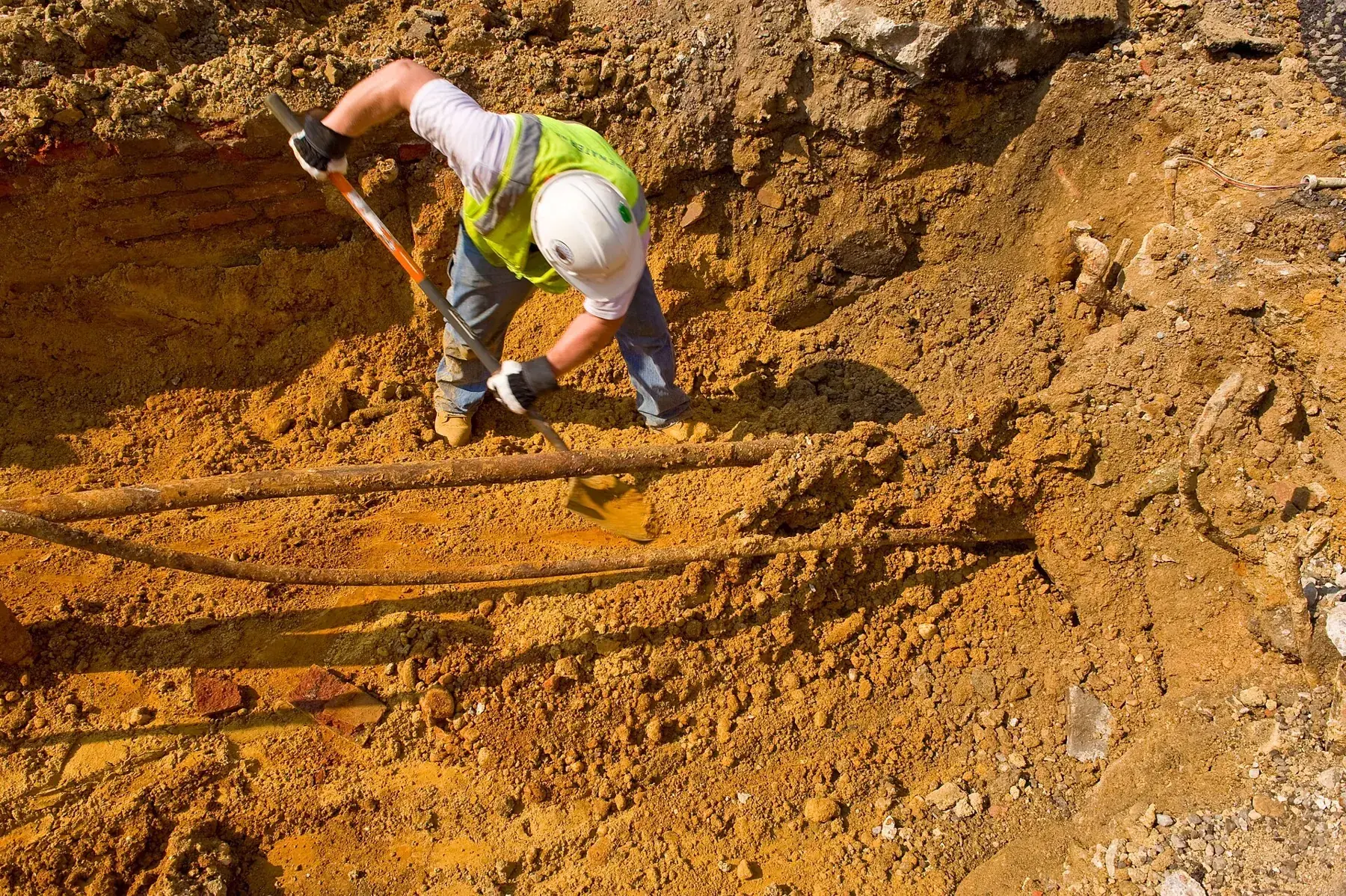
The contractor pumps out the remaining oil, disconnects and cleans the tank and lines, and removes the tank, fill and vent pipes. For a buried tank that means digging. If oil has leaked, contaminated soil may need to be removed and tested.
4. Environmental reporting
In Ontario, TSSA says the owner must submit an Environmental Assessment Report under its Environmental Management Protocol when an underground tank is removed, and any spill during removal must be reported to the Spills Action Centre. In Nova Scotia, homeowners are responsible for reporting and cleaning up spills.
5. Keep every paper
- The contractor's invoice and registration number
- Any environmental or soil test reports
- Photos of the excavation and the removed tank
- Notices to TSSA or the province, where required
- Your insurer's confirmation that the policy is updated
Do you have to remove the tank before selling?
No. Some owners would rather not manage a dig, a heating switch and an environmental report while also selling. If that is you, a cash buyer can take the house with the tank in place and handle removal after closing. The cost is priced into the offer, so compare it against removal quotes.
Common questions
What reports are needed when an underground oil tank is removed in Ontario?
TSSA says the owner must submit an Environmental Assessment Report under its Environmental Management Protocol when an underground tank is removed, and any spill during removal must be reported to the Spills Action Centre.
What paperwork should I keep after an oil tank removal?
The contractor's invoice and registration number, any soil or environmental test reports, photos of the excavation and the removed tank, any notices filed, and your insurer's confirmation that the policy is updated.
Can I sell before the tank is removed?
Yes. You can disclose the tank and list it, or sell as-is to a buyer who handles removal after closing and prices the work into the offer.
Sources
- TSSA: FAQs, storage tanks
- TSSA Advisory FS-213-14: Guidelines for responding to fuel oil spills and leaks
- Nova Scotia: Petroleum spills
Last reviewed November 2026. General information, not legal or environmental advice. Rules differ by province and municipality; confirm with the regulator, a registered contractor and a lawyer.