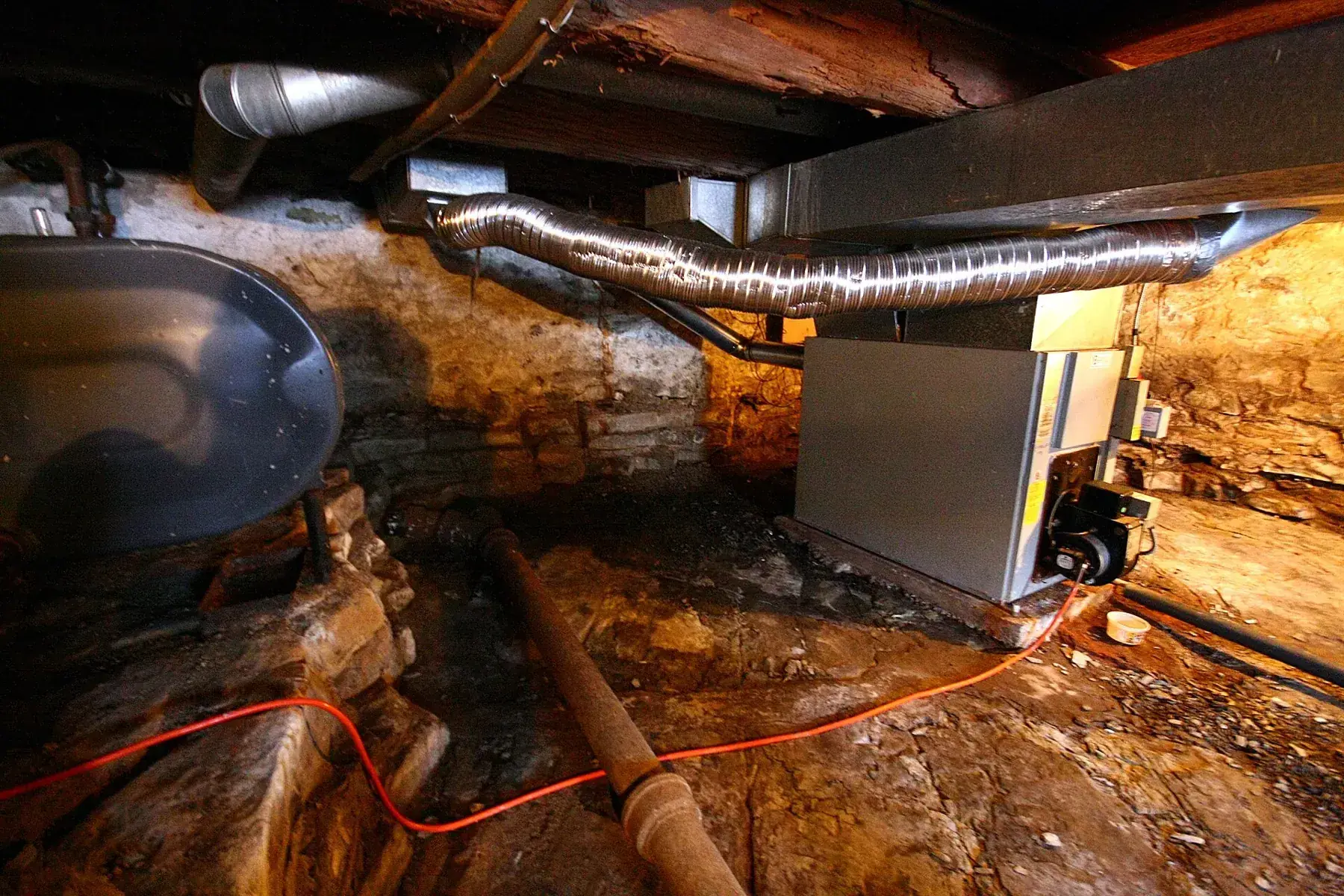
Selling a house with an oil tank in Toronto
Selling a Toronto house that still has an oil tank, or a buried one nobody has dealt with? You can sell it as it is. TSSA rules under O. Reg. 213/01 apply in Toronto exactly as everywhere else in Ontario, so an unused underground tank has to come out unless TSSA grants a variance, and buyers will price that in.
The Toronto-specific piece is money for the heating switch. Through the City of Toronto Home Energy Loan Program (HELP), homeowners can borrow up to $125,000, capped at 10% of the property's current value assessment, for upgrades including air-source heat pumps and geothermal systems, repaid on the property tax bill. The City says the loan is attached to the property, not the owner: if you sell before it is repaid, the buyer takes on the balance unless you pay it off. The City lists current HELP terms as valid until December 31, 2026.
Your next step: if you would rather not take on a loan, a contractor and a dig before selling, send the Toronto address and what you know about the tank. We buy as-is and the tank work happens after closing.
Thank you. Your house and tank details are with us.
We will text or email you soon. Here is what happens from here, in order:
- 1
We read the address and what you told us about the tank.
- 2
We get in touch by phone, text or email with a few questions about the tank, the heating and the rest of the house.
- 3
If it fits, one visit, then a written offer with the numbers behind it.
- 4
Take your time. Talk it over with family and your lawyer; nothing is binding until you sign.
Oil tank in Ottawa: TSSA rules and the Better Homes Ottawa loan
Own an Ottawa house with an old oil tank, maybe in an older urban home or a rural property with no gas line? You can sell with the tank in place. In Ottawa the tank itself is regulated by TSSA under O. Reg. 213/01, so your fuel distributor must have inspected the system within the past 10 years to keep filling it.
For owners who would rather fix the heating first, the City of Ottawa runs the Better Homes Ottawa loan. The City lists a 20-year term, a 4.33% fixed rate, a maximum of $125,000 or 10% of the property's assessed value, whichever is less, a $10,000 minimum and a 4% administrative fee. It is repaid through the property tax bill and can be paid off early without penalty. The City page does not say what happens to a balance when the house sells, so ask the City and your lawyer before you list.
- Tank still heating the house: keep the distributor inspection paperwork for buyers.
- Tank buried and unused: plan for removal by a TSSA-registered contractor, or sell as-is.
- Better Homes Ottawa loan on the tax bill: get the payout figure before accepting an offer.
- Rather skip all three? Send the Ottawa address for a written as-is offer, tank and all.
Oil tank house in any of these cities? We buy as-is, tank and all.
Get my cash offerOil tank in Oshawa and Durham Region
Selling an Oshawa house that still heats with oil, or has an old fill pipe in the yard? Yes, it can be sold as-is. Oshawa sits in Durham Region, and the provincial TSSA rules apply here as they do in Toronto: certified people only for tank work, registration for any underground tank that is still filled, and removal of an unused buried tank unless TSSA grants a variance.
The local help is Durham Greener Homes, a program run for Durham Region residents. It offers free Greener Homes Coaching, a free Weather-ready Home Assessment and guidance through the rebates and financing available to Durham residents, which is useful if you are weighing a heat pump against selling the house with the oil system in place.
Your next step: if the coaching route sounds like more time than you have, send the Oshawa address and the tank details for a written as-is number, then compare it with the upgrade path.
Oil tank in Kingston: TSSA plus the Better Homes Kingston loan
Have a Kingston house with an oil tank and wondering whether to replace the heating before you sell? You do not have to. The tank rules are Ontario's, set by TSSA, so a contractor who finds an unsafe tank must tag it and the system cannot be used until it is fixed.
Kingston adds its own financing. The City of Kingston's Better Homes Kingston program lends up to $50,000 or 20% of the home's value, whichever is less, at fixed rates from 3.25% over 5 years to 4.75% over 20 years, and air-source and ground-source heat pumps are eligible. The loan is registered as a Local Improvement Charge on the property tax account, so if one is already on your house, ask the City and your lawyer how the balance is handled on a sale. The City says the program is accepting applications, first come, first served.
Your next step: if a loan and a renovation is not the path you want, send the Kingston address and we will price the house with the oil tank in place.
Oil tank in Sudbury: drinking water rules near municipal wells
Selling in Greater Sudbury with a home heating oil tank? You can, but check one local rule first. Greater Sudbury has a source protection plan under Ontario's Clean Water Act, and Conservation Sudbury says residential properties in the wellhead protection areas closest to a municipal well might need a Risk Management Plan if they have a home heating oil tank.
A December 2025 Conservation Sudbury fact sheet described a proposed policy: storing 250 to 2,500 litres of heating fuel in a wellhead protection area, where it is a significant threat, would need a Risk Management Plan with a yearly inspection by a qualified fuel inspector, a log of inspections and repairs, a spill contingency plan and proof of pollution liability insurance. Questions go to the City of Greater Sudbury's Risk Management Office. The City's free CHIRP home retrofit navigator can help with heating upgrades, but it gives no rebates and is running a waitlist.
Your next step: if your Sudbury tank falls under these rules and you would rather not manage the plan, send the address and we will make a written as-is offer.
Oil tank in North Bay: TSSA rules and Trout Lake water protection
North Bay house with an oil tank in the basement or out back? It can be sold as-is. Inside the city the tank is regulated by TSSA under O. Reg. 213/01, like the rest of Ontario, so a buried tank that is no longer used has to come out unless TSSA grants a variance.
North Bay draws its drinking water from Trout Lake, and the North Bay-Mattawa Conservation Authority runs source water protection for the area. Its fuel oil guidance lists Mattawa and Powassan as the places where the fuel oil threat policy applies, and for every owner it recommends a yearly inspection of the tank and heating system by a qualified technician, regular checks for corrosion, stains, oil at the joints, pinched lines or a fuel smell, and reporting any leak to the province's Spills Action Centre. Those inspection records are exactly what a North Bay buyer will ask to see.
Your next step: no records, or a tank you would rather not deal with? Send the North Bay address and get a written as-is offer.
Oil tank in Thunder Bay: Ontario rules on the Lake Superior shore
Selling a Thunder Bay house heated by oil, or with an old outdoor tank? Yes, you can sell it as-is. Thunder Bay is under the same TSSA rules as southern Ontario: your fuel distributor must be satisfied the tank system complies and have inspected it within the last 10 years, or it stops delivering.
Thunder Bay's drinking water comes from Lake Superior through an intake 750 metres offshore at Bare Point, protected under the Lakehead Source Protection Plan run with the Lakehead Region Conservation Authority. For a leak, TSSA tells owners to call a TSSA-registered contractor and notify the Spills Action Centre. If you would rather switch the heating before selling, Ontario's Home Renovation Savings Program says homes heated with oil can get rebates, including up to $7,500 for a cold climate air source heat pump.
Your next step: if a heat pump install is not on your timeline, send the Thunder Bay address and the tank details for an as-is offer.
Oil tank in Winnipeg: Manitoba rules and the city removal permit
Have a Winnipeg house with an oil tank, buried or in the basement? You can sell it with the tank in place. Winnipeg falls under Manitoba rules, not TSSA: the province's Petroleum Storage Program administers the Storage and Handling of Petroleum Products and Allied Products Regulation (MR 188/2001).
Under that regulation an underground tank of any size needs a Permit to Operate, while aboveground tanks need one only at 5,000 litres or more, and a permit is needed to remove a tank system. Inside the city, the City of Winnipeg Fire Paramedic Service checklist for removing an underground tank goes in with a building permit application and follows the Manitoba Fire Code 2024: the tank is emptied and purged, all piping is removed, the tank is cut so it cannot be reused, the contractor files a Certificate of Tank Destruction, and the Fire Prevention Branch must get at least three business days' notice to inspect.
Your next step: if permits, a contractor and an inspection are more than you want to manage, send the Winnipeg address and we will price the house with the tank where it is.
Oil tank in Alberta: fire code permits in Calgary, Edmonton and beyond
Selling an Alberta house that still has a fuel oil tank, often an older acreage or farm home? It can be sold as-is. In Alberta, storage tanks fall under the National Fire Code, Alberta Edition, and permits and inspections come from municipalities accredited under the Safety Codes Act, or from the Alberta Safety Codes Authority in unaccredited areas.
Calgary shows how that works in a city. The City of Calgary requires a permit before a storage tank system over 230 litres is installed, removed or altered. For an underground tank, Form FD1508 goes to the city before removal starts and a Decommissioning Report, Form FD1509, after it comes out, and only individuals approved by the Provincial Fire Administrator may install, remove, repair or maintain a tank system. In Edmonton or anywhere else, ask your municipality who issues tank permits before any digging.
Your next step: if the permit and decommissioning steps are more than you want to take on, send the Alberta address and get a written as-is offer.
Common questions
Are oil tank rules different in each Ontario city?
The tank rules are the same across Ontario: TSSA regulates fuel oil under O. Reg. 213/01. What differs is the local layer, such as retrofit loans repaid on the tax bill in Toronto, Ottawa and Kingston, or drinking water protection rules near municipal wells in Greater Sudbury.
Does TSSA cover oil tanks in Winnipeg or Alberta?
No. TSSA is Ontario only. Winnipeg follows Manitoba's petroleum storage regulation plus City of Winnipeg permit steps, and Alberta follows the National Fire Code, Alberta Edition, with permits from accredited municipalities or the Alberta Safety Codes Authority.
If my house has a city retrofit loan, can I still sell it?
Yes. Toronto says a HELP loan is attached to the property, so a buyer takes on the balance unless you pay it off. Ottawa and Kingston loans also sit on the property tax account; ask the City and your lawyer how the balance is handled before you accept an offer.
Sources
- O. Reg. 213/01: Fuel Oil
- TSSA: FAQs, storage tanks
- City of Toronto: Home Energy Loan Program (HELP)
- City of Ottawa: Better Homes Ottawa
- Region of Durham: Durham Greener Homes
- City of Kingston: Better Homes Kingston
- Conservation Sudbury: Fuel Facts, home heating oil (December 2025)
- City of Greater Sudbury: CHIRP home retrofit support
- North Bay-Mattawa source protection: safe use of fuel oil tanks
- North Bay-Mattawa Source Protection Area: 2024 annual report
- Lakehead Region Conservation Authority: about Lakehead source protection
- Ontario Home Renovation Savings Program
- Manitoba: storage and handling of petroleum products
- City of Winnipeg Fire Paramedic Service: underground tank removal checklist
- Government of Alberta: fuel tank storage
- City of Calgary: flammable and combustible tank permits
Last reviewed November 2026. General information, not legal or environmental advice. Rules differ by province and municipality; confirm with the regulator, a registered contractor and a lawyer.