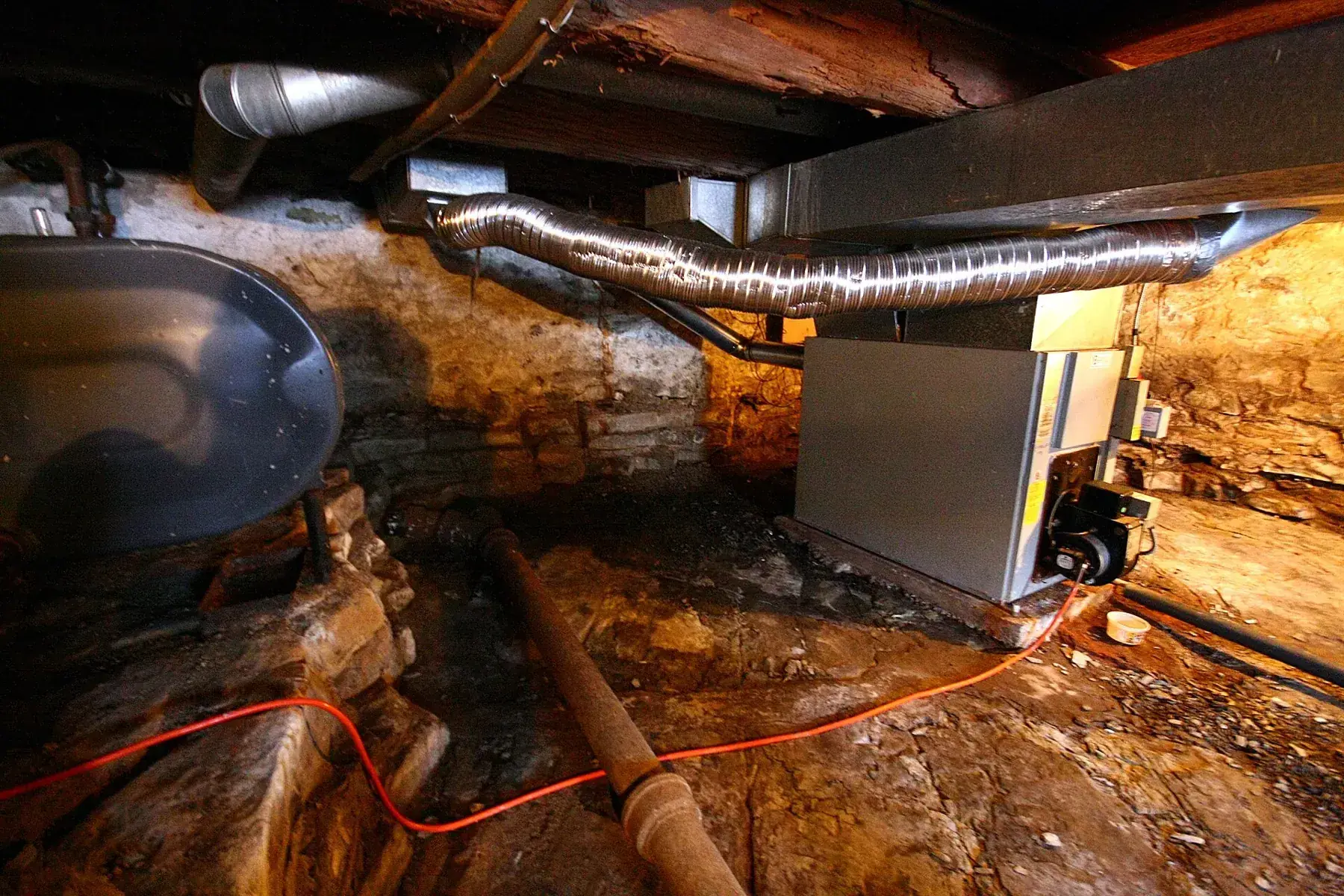
Is an old aboveground tank illegal?
Not in itself, in Ontario. TSSA says there is no age at which an approved aboveground fuel oil tank has to be replaced, as long as it is not leaking. An existing tank is considered approved if it was installed following the code in force at the time. Insurers and lenders can set their own conditions, which is a separate question from what the regulation requires.
Is an inside tank allowed outdoors?
No. TSSA says installing a tank labelled for inside use outdoors would void its approval, because an inside tank is certified for indoor use only. If an outdoor tank was once an indoor tank, a buyer's inspector may flag it.
Old tank in the basement? Get a number with it left exactly where it is.
Get my cash offerWho inspects a home oil tank in Ontario?
Your fuel distributor does, at least once every 10 years. In Ontario, O. Reg. 213/01 says a distributor shall not supply fuel oil to a tank system connected to an appliance unless it is satisfied the installation complies with the regulation and it has inspected the appliance at least once in the previous 10 years, or under a quality assurance inspection program. If a distributor finds an unacceptable condition, it can tag the system, and a tagged system must not be used until the problem is fixed and re-inspected. Ask your fuel company for its latest inspection report; buyers will ask for it too. The rule is the same in every Ontario city, including oil-heated houses in Thunder Bay and North Bay.
Can a homeowner do their own tank work in Ontario?
No. The same regulation says no one may install, alter, purge, activate, repair, service or remove fuel oil equipment unless they hold a certificate for that purpose, and contractors must be registered with TSSA. A do-it-yourself tank swap creates exactly the kind of paperwork gap that worries buyers.
What tank records should you gather before you sell?
Five facts and papers answer most of the questions buyers ask about an aboveground tank:
- The tank's age or manufacture date, from its label if visible
- Your fuel company's most recent inspection report
- Any receipts for tank replacement or repairs
- Whether the tank has ever leaked or been tagged
- Whether the house still heats with oil, or the furnace was replaced
Common questions
Will my fuel company keep filling an old oil tank?
In Ontario, a distributor may only supply a tank system it is satisfied complies with O. Reg. 213/01 and has inspected at least once in the previous 10 years, or under an approved quality assurance program. A system it tags as unacceptable must not be used until it is fixed.
Can I move an indoor oil tank outside?
TSSA says a tank labelled for inside use is certified only for indoor use, and installing it outdoors would void its approval.
Can I replace an oil tank myself in Ontario?
No. O. Reg. 213/01 says only people holding a certificate for the work may install, alter, repair or remove fuel oil equipment, and contractors must be registered with TSSA.
Sources
Last reviewed November 2026. General information, not legal or environmental advice. Rules differ by province and municipality; confirm with the regulator, a registered contractor and a lawyer.